
Bulk SMS sender IDs: how to register and get messages delivered
What an SMS sender ID is, how to register one, the rules operators apply, and how to make sure your business messages are delivered and trusted.

- A sender ID is the name your customers see instead of a phone number, such as your brand name.
- Most operators only deliver business SMS from sender IDs that have been registered and approved.
- A registered, consistent sender ID improves delivery and makes customers trust and open your messages.
Every day, banks, retailers, schools and service providers send millions of text messages: payment confirmations, delivery updates, appointment reminders and one-time passwords. When those messages arrive from a clear, recognisable name such as YourBrand rather than a random number, customers open them and trust them.
That name is your sender ID. Here is what it is, why it has to be registered, and how to make sure your messages reach your customers.
What is a sender ID?
A sender ID is what appears in the “from” field when your customer receives an SMS. Business messages usually use one of three types:
- Alphanumeric sender ID: your brand name, such as
TELXER, up to 11 characters. The most recognisable option, and the standard for one-way business messages. - Short code: a short number, such as
15xxx, often used when customers need to reply or opt in. - Long number: a regular mobile number, used for two-way conversations.
For most notifications, alerts and verification codes, an alphanumeric sender ID is the right choice: customers see your name, not a number they don’t know.
Why sender IDs must be registered
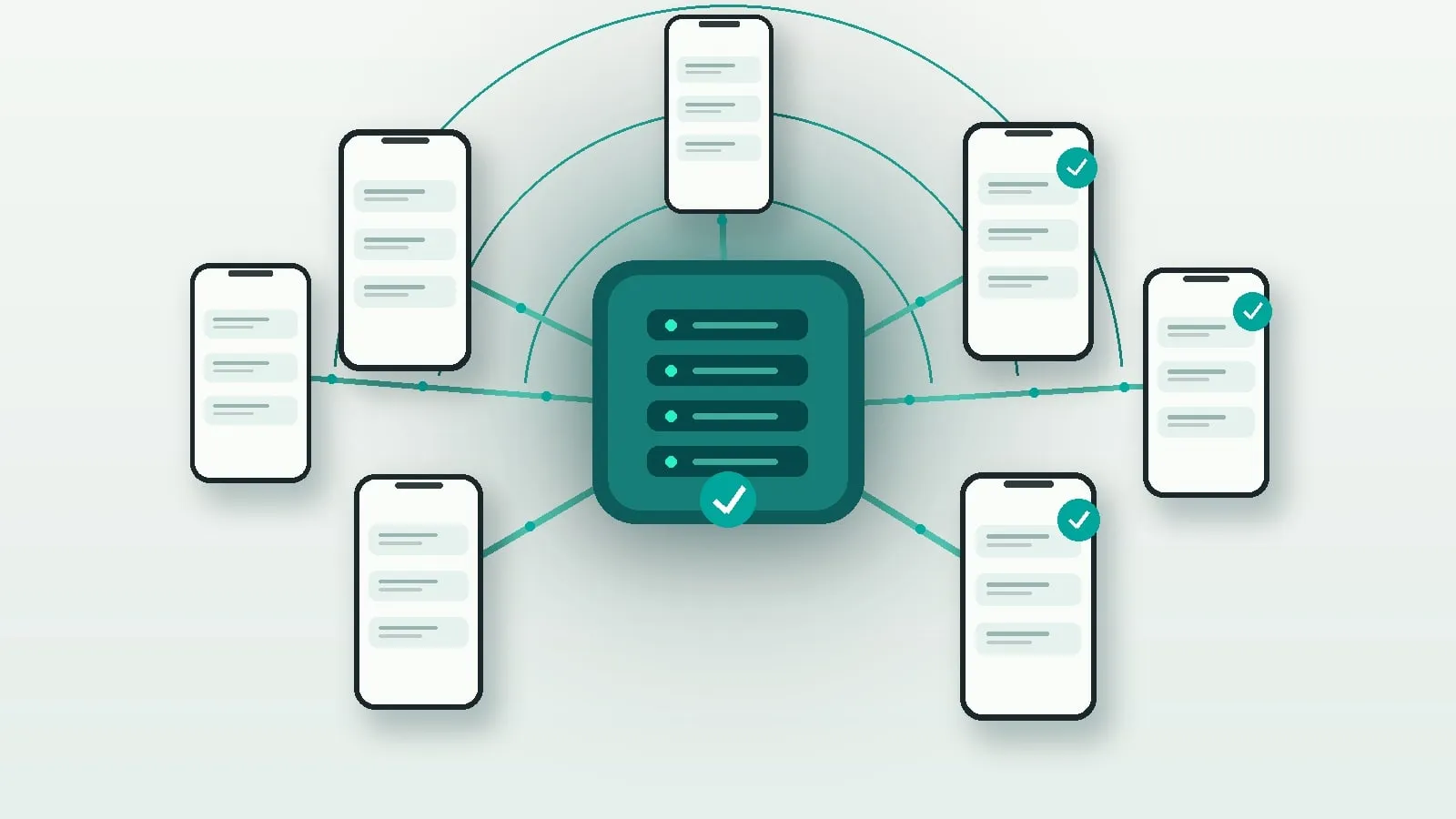
To protect customers from spam and fraud, mobile operators and regulators in many countries only deliver business SMS from registered sender IDs. Registration links each sender name to a verified business, so:
- fraudsters can’t send messages pretending to be your bank or brand;
- operators can trace and block abuse quickly;
- your legitimate messages are routed reliably instead of being filtered.
Messages sent from an unregistered or generic sender ID may be delayed, delivered with a different sender, or blocked entirely.
How to register a sender ID
The exact process varies by country and operator, but it usually follows these steps:
- Choose your sender ID. Use your brand or a clear variation of it, up to 11 characters, with no spaces or special symbols.
- Prepare your documents. Typically your business registration certificate, proof that you own or are authorised to use the brand, and a short description of what you will send.
- Describe your use case. For example transactional alerts, one-time passwords or customer service messages. Some markets treat promotional messages differently.
- Submit through your messaging provider. Your provider sends the request to each mobile operator and, where required, follows the regulator’s process.
- Wait for approval and test. Once approved, send test messages to numbers on each network to confirm the sender ID displays correctly.
Best practices for better delivery
Registration is the foundation. These habits keep delivery rates high and customers engaged:
- Use one consistent sender ID for the same type of message, so customers learn to recognise it.
- Separate transactional and promotional traffic. Keep critical alerts and OTPs on their own route so they are never slowed by marketing campaigns.
- Send only to customers who agreed to hear from you, and make it easy to opt out of promotional messages.
- Keep messages short and clear. Say who you are, what happened and what to do next.
- Use direct operator connections. Messages that travel straight to the operators arrive faster and more reliably than those passed through several intermediaries.
- Track delivery reports. Delivery receipts show what arrived, on which network and how fast, so you can spot issues early.
- Plan a fallback. For critical messages such as OTPs, automatically resend on WhatsApp or voice if an SMS isn’t delivered. Read our guide on SMS or WhatsApp for OTP.
Common mistakes to avoid
- Sending business messages from a personal mobile number.
- Using a sender name that looks like another brand or a government body.
- Mixing marketing and transactional messages on the same sender and route.
- Changing sender IDs often, which confuses customers and looks like spam.
- Sending without consent, which can lead operators to suspend a sender ID.
How Telxer can help
Neno, Telxer’s messaging platform, handles sender ID registration for you and delivers your messages through direct operator connections, with live delivery reports. Send SMS, WhatsApp Business messages, voice and OTPs through one API, with automatic fallback between channels so important messages always get through.
Talk to our team to register your sender ID and start sending.
Frequently asked questions
What is an SMS sender ID?
A sender ID is the name or number that appears as the sender of an SMS. For business messages it is usually your brand name, up to 11 letters and numbers, so customers instantly recognise who the message is from.
Why do sender IDs need to be registered?
Operators and regulators register sender IDs to stop spam and fraud. Registration links each sender name to a real, verified business, so messages from unregistered or misleading names can be blocked.
How long does sender ID registration take?
It depends on the country and the operators involved. Registration often takes a few working days once the business documents are complete. Your messaging provider submits the request and tells you when each operator has approved it.
Want help applying this? Our team can review your setup and recommend next steps.
Talk to our team

